


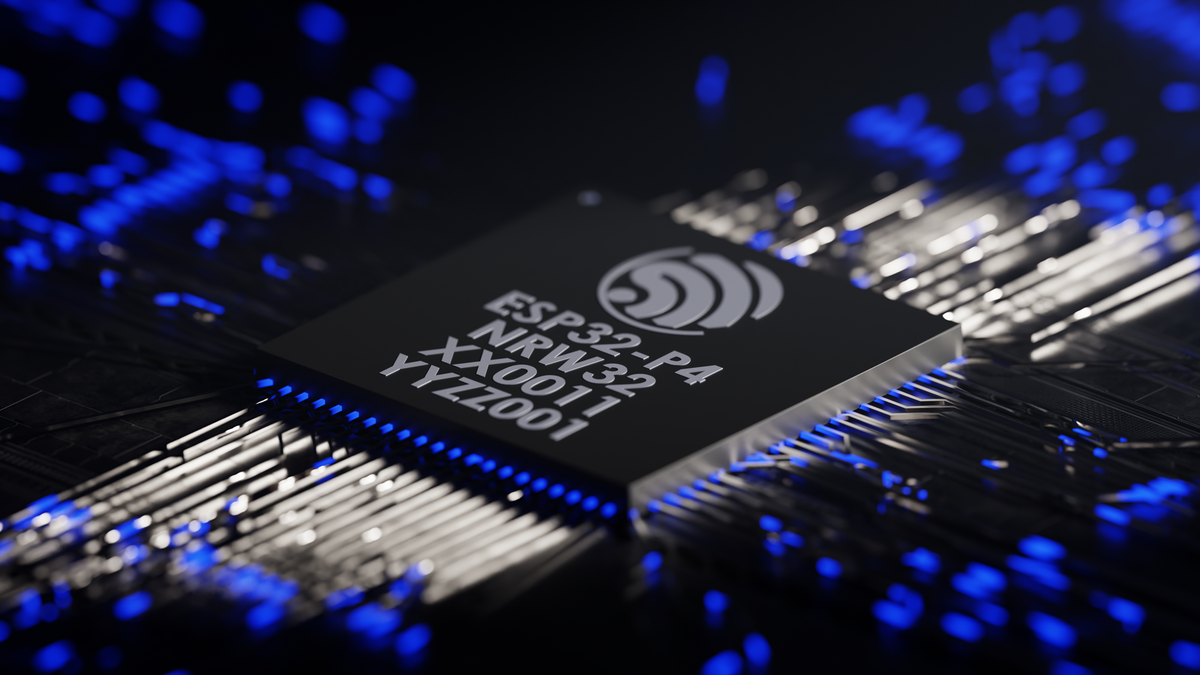
ESP32-P4 Series
Intelligent Display Modules — High Performance, Rich I/O, Advanced Multimedia.
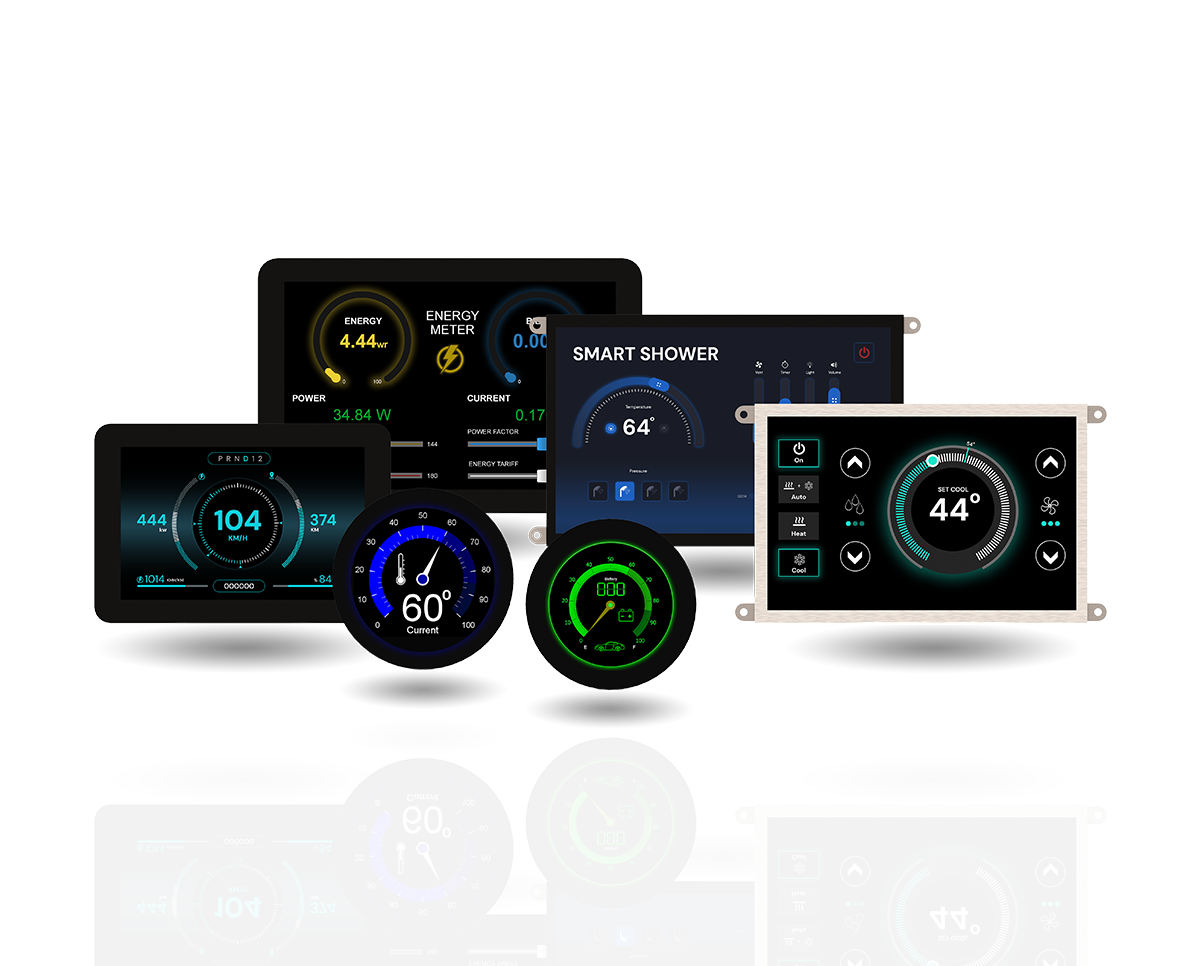
The ESP32‑P4 Series brings together Espressif’s next‑generation RISC‑V SoC with 4D Systems’ intelligent display technology. These modules deliver high‑performance processing, comprehensive peripheral support, and vivid IPS displays — ideal for advanced human‑machine interfaces (HMI), embedded vision, audio‑visual systems, industrial controllers, and IoT applications.

Explore the range
Filters
6 products


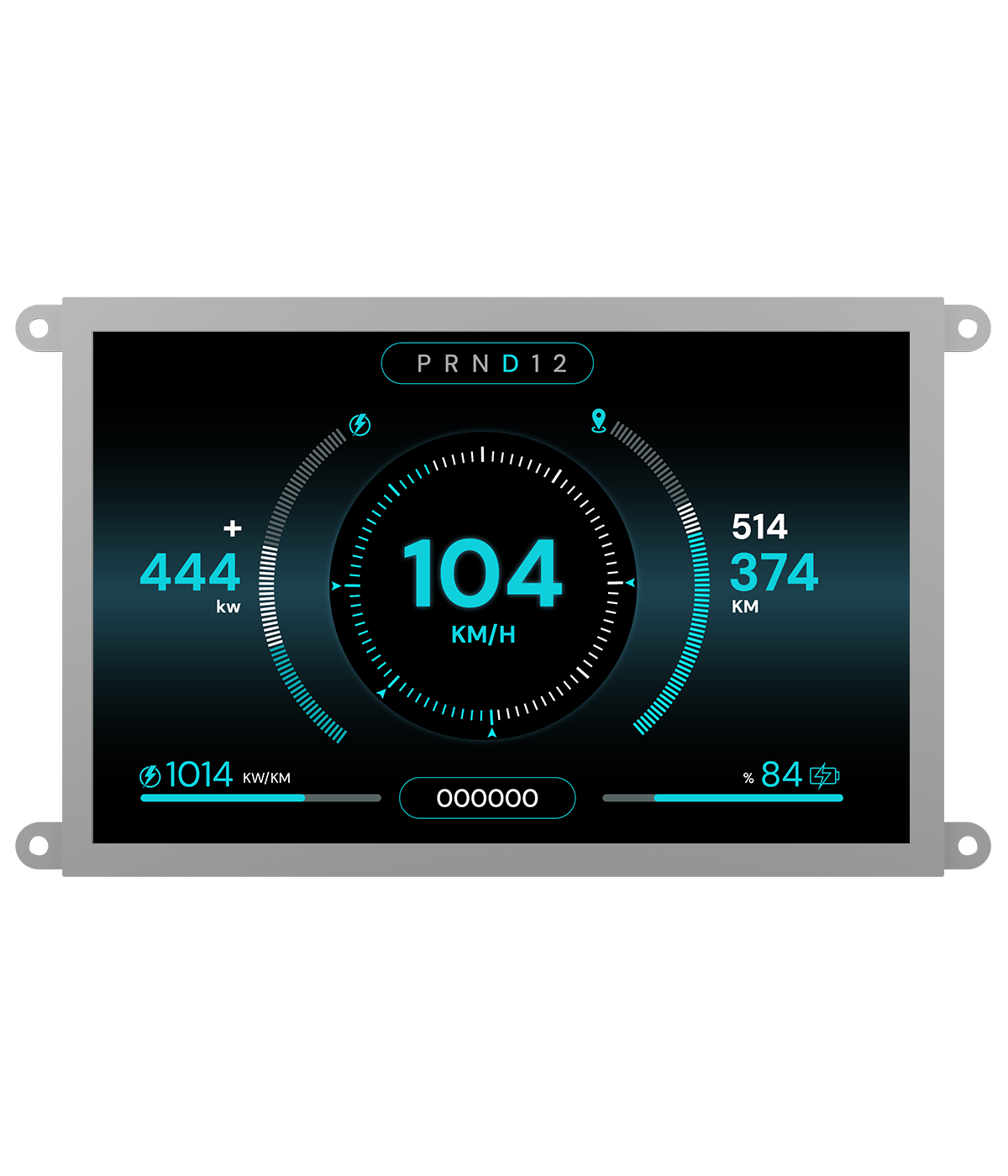
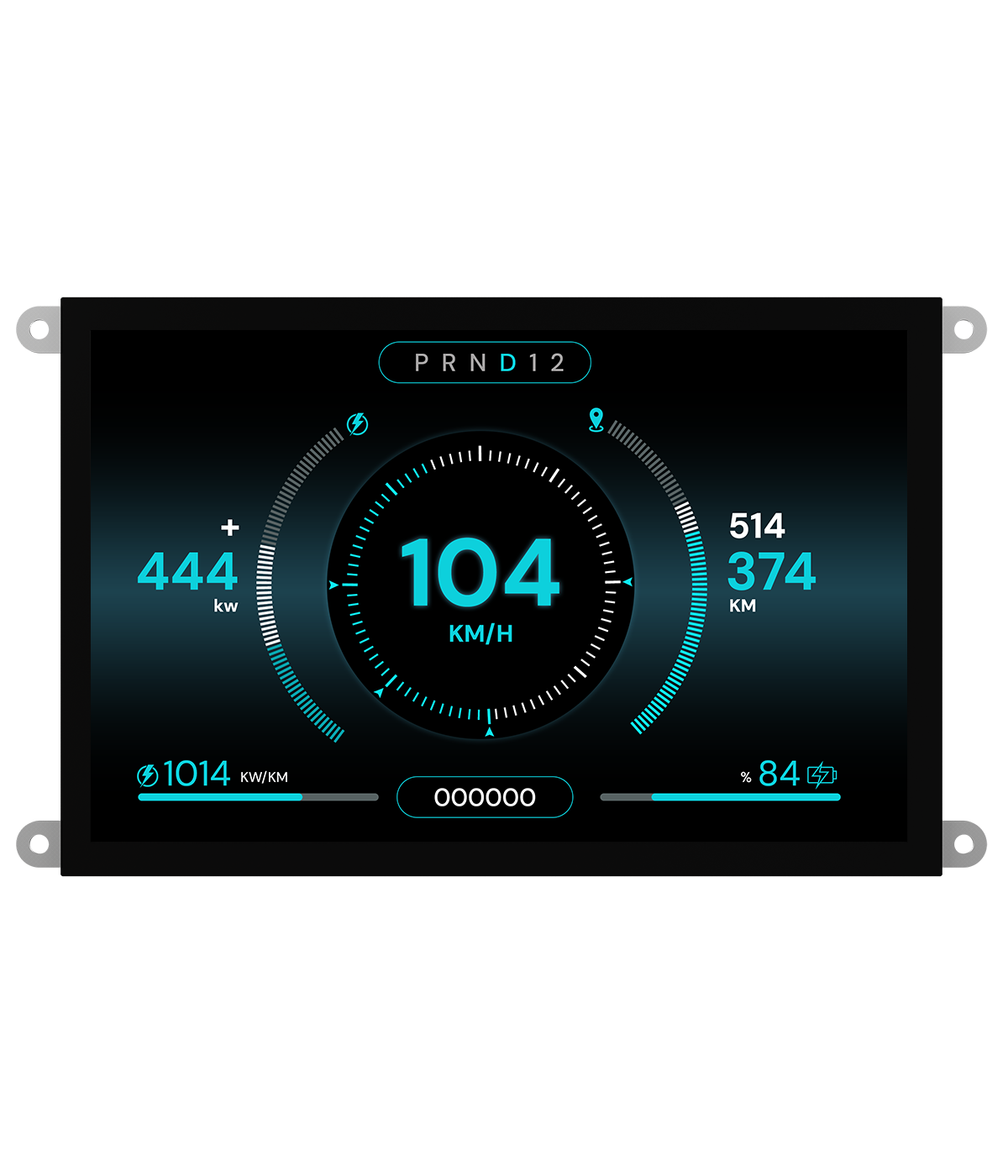
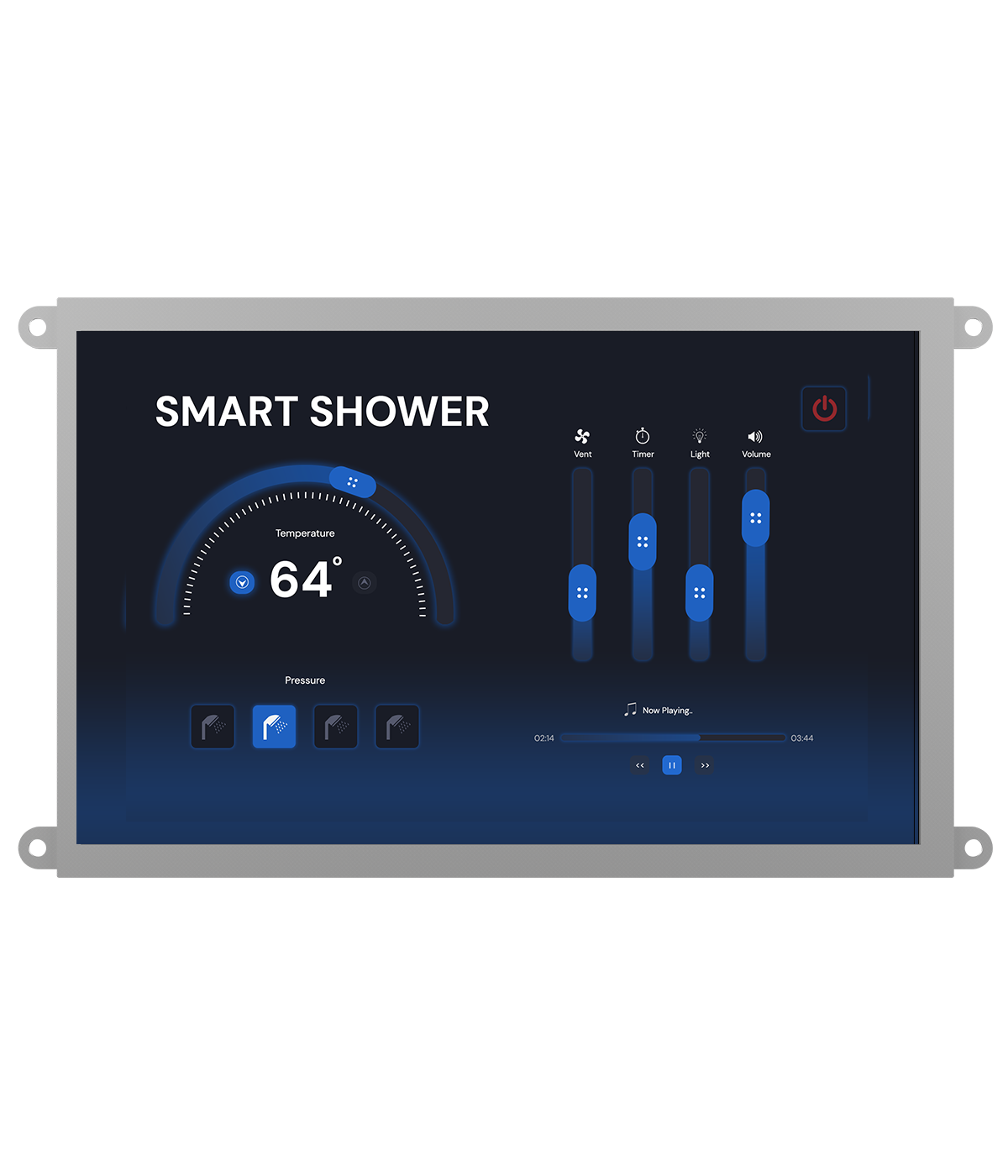
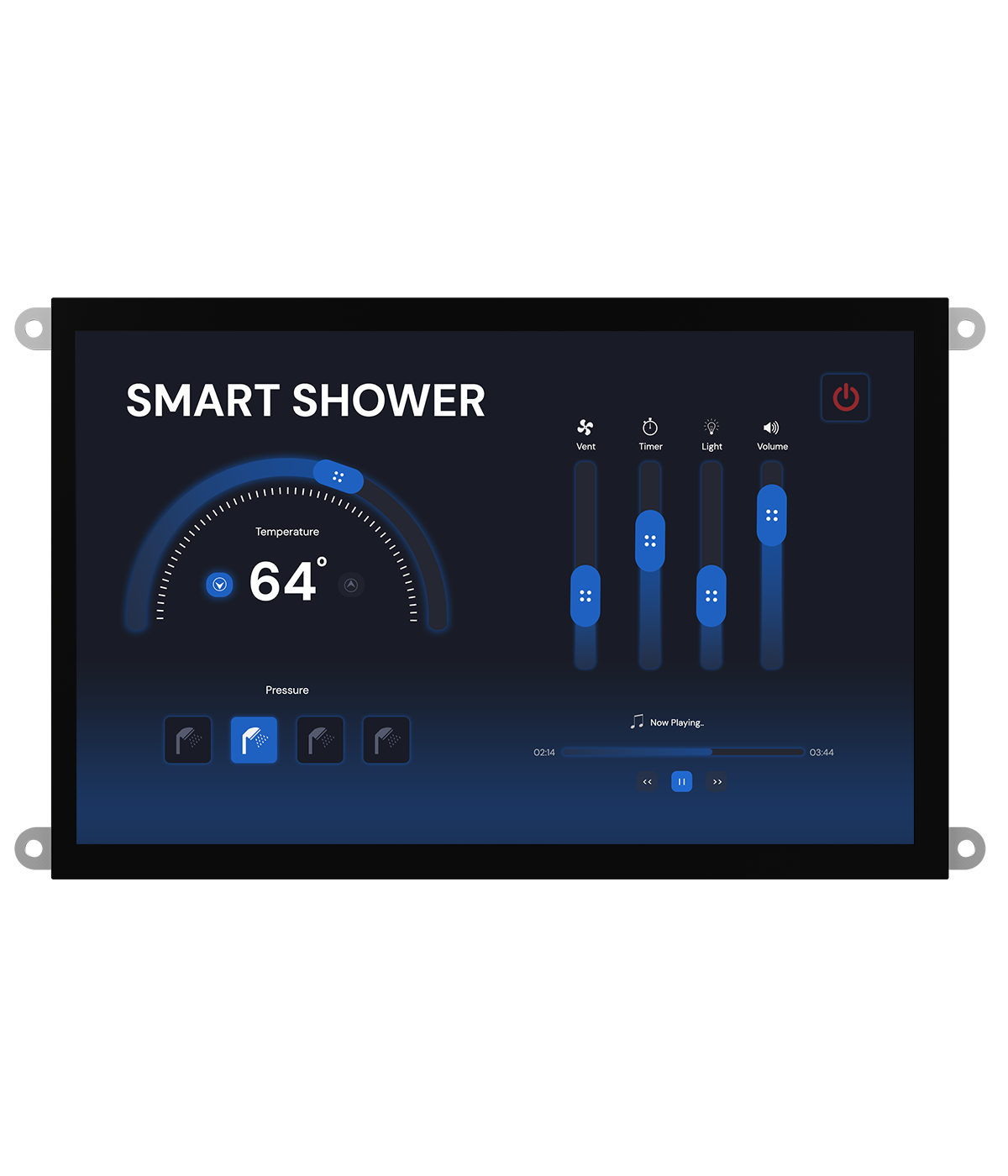
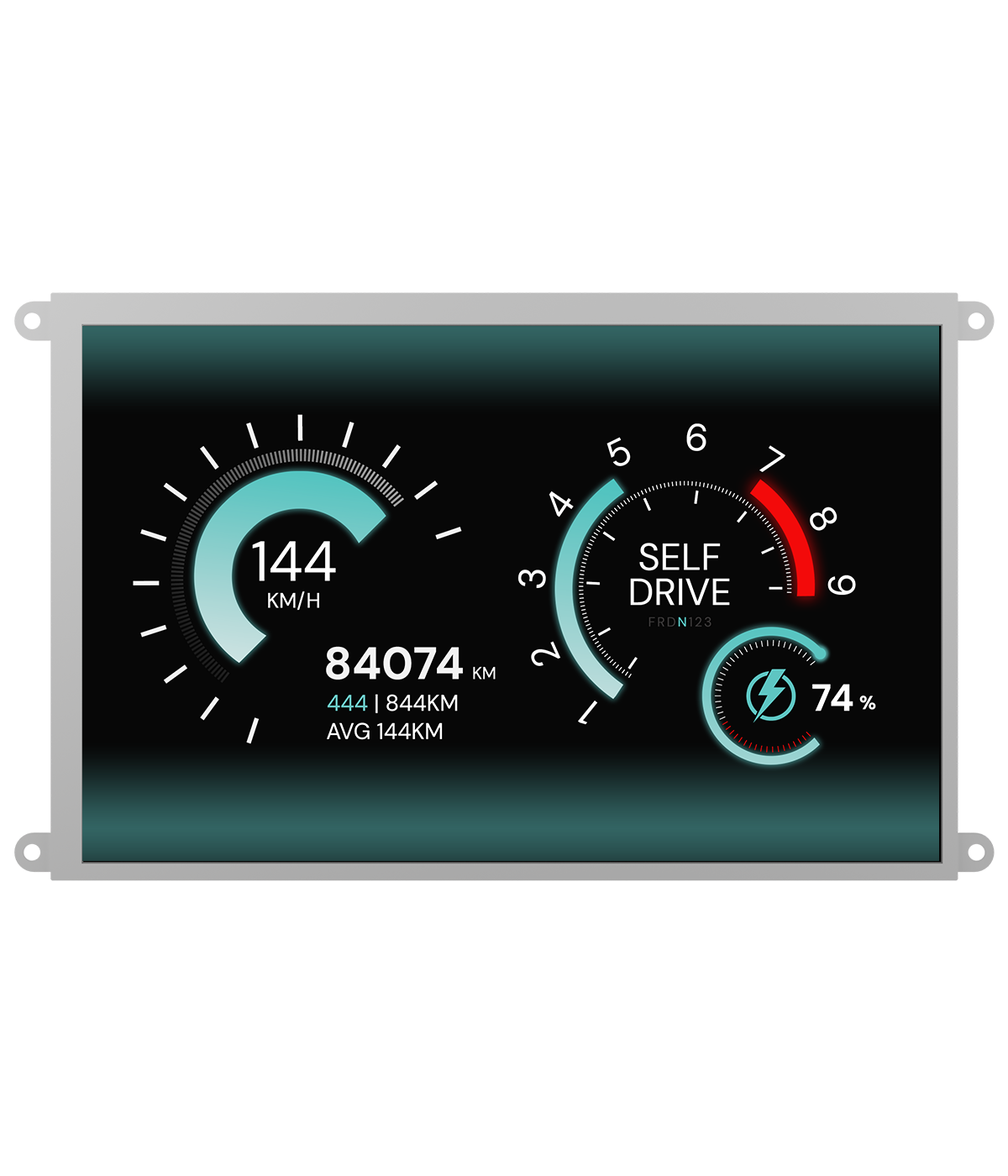
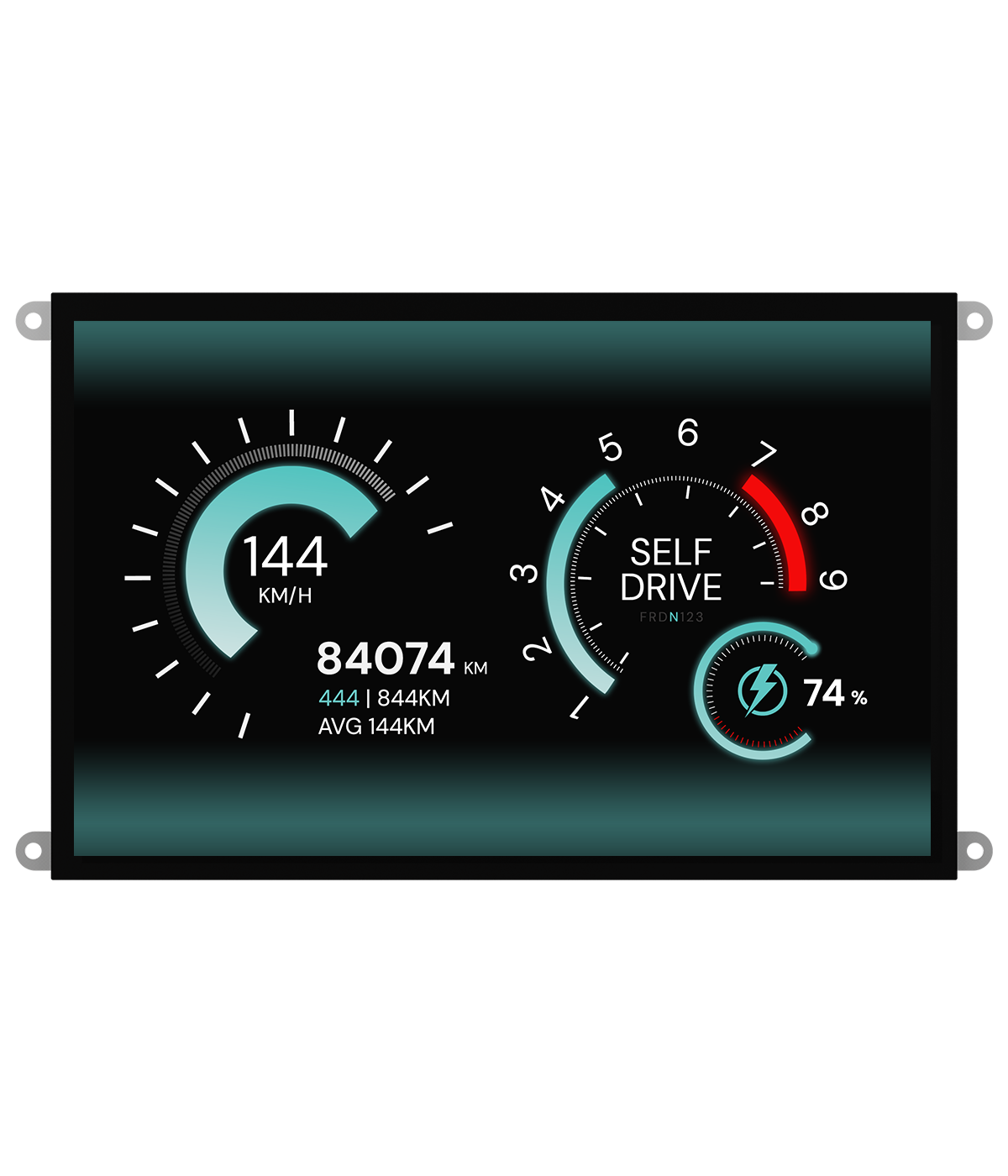
ESP32-P4 Series Display Modules
Multiple Display Sizes
The ESP32-P4 Series is available in a range of formats:
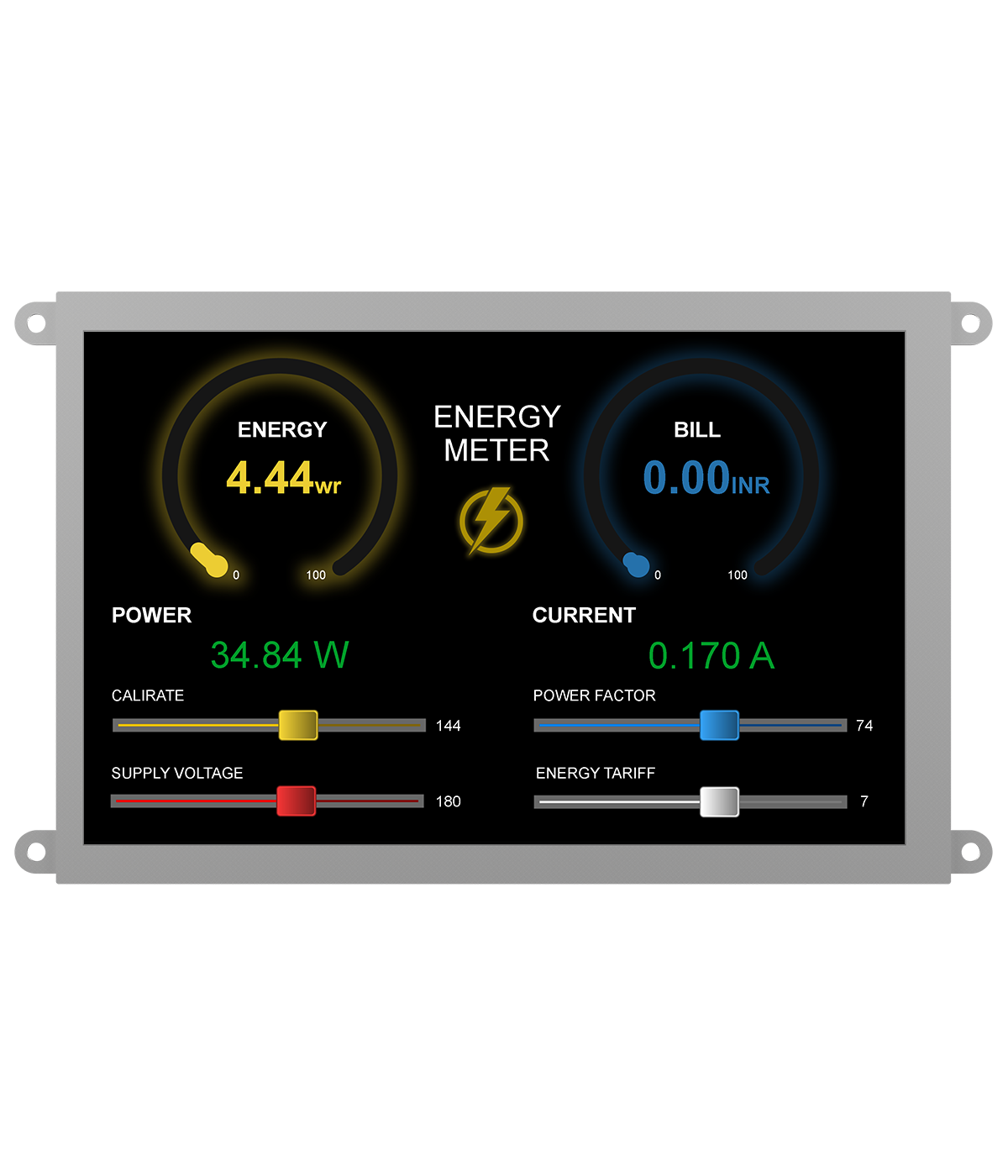
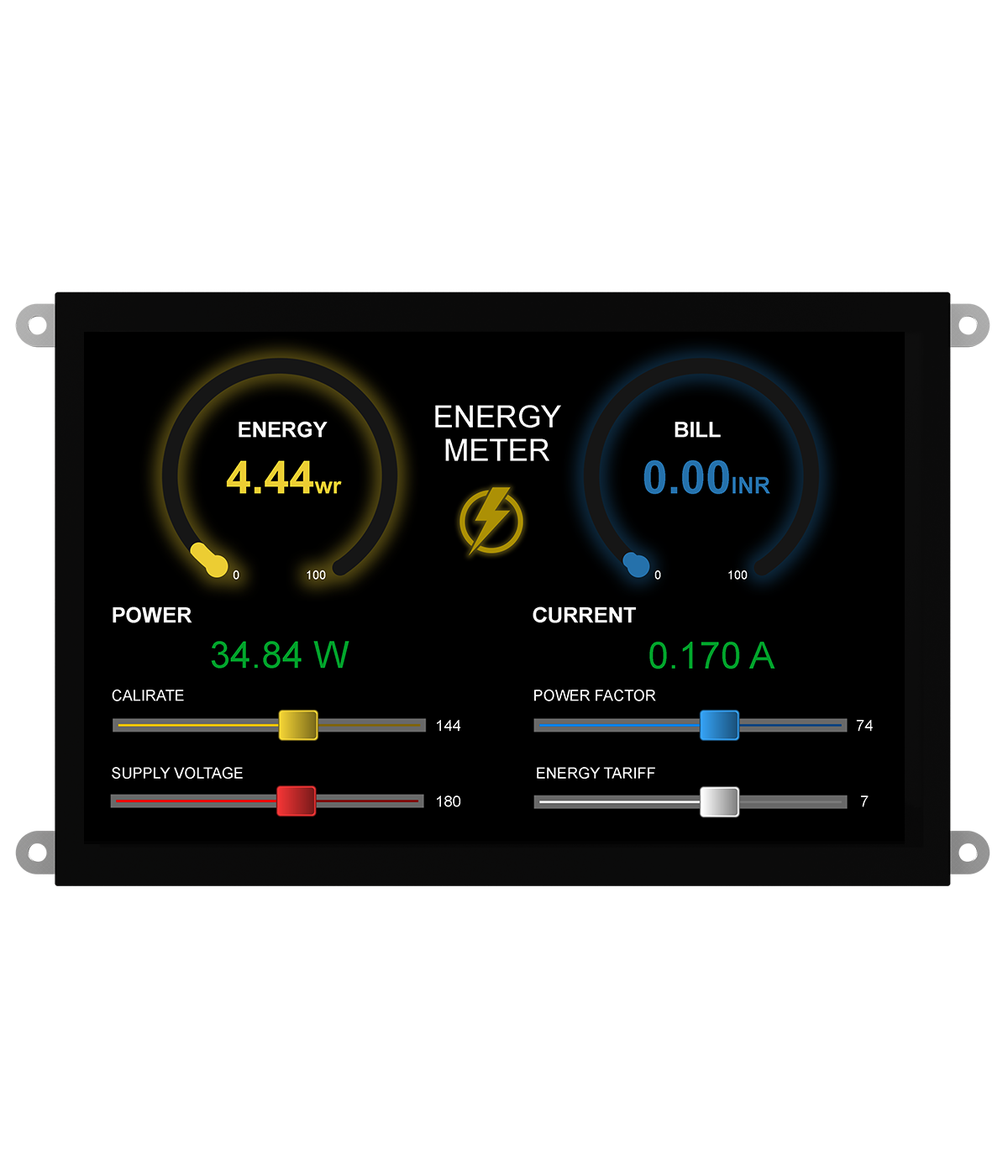
- Standard rectangular displays: 7.0", 8.0", 9.0", and 10.1" with 1280×800 resolution and IPS wide-view panels.
- Round display variants: 3.4" (800×800) and 4.0" (720×720) circular IPS TFT options.
These high-resolution displays are engineered to ensure crisp visuals.

Powered by the ESP32-P4 Processor
At the heart of each module is the Espressif ESP32‑P4 SoC, a high‑performance system‑on‑chip built for modern embedded interfaces:
- Dual‑core 32‑bit RISC‑V CPU with advanced instruction extensions for efficient general‑purpose compute.
- Optional single‑core low‑power RISC‑V processor for energy‑efficient background tasks.
- Integrated PSRAM (up to 32 MB) and support for external quad‑SPI flash storage.
- Rich peripheral ecosystem including high‑speed USB 2.0, multiple UART/I²C/SPI buses, PWM, ADC, and more.
- Dedicated multimedia hardware such as MIPI‑CSI camera input and MIPI‑DSI display output, JPEG codec, ISP, and H.264 encoder.
- Built‑in security features: AES, SHA, RSA, ECC accelerators, TRNG, secure boot, and one‑time programmable eFuse.
This combination delivers robust processing for real‑time graphics, vision, audio, and control applications directly on the display module.

Seamless Hardware Interface
The user interface to the ESP32‑P4 series is designed for flexibility and ease of integration:
- 30‑pin FPC/ZIF connector (0.5 mm pitch) compatible with the 4D‑UPA Universal Programmer.
- 30‑pin 2.54 mm pitch header for direct connection to motherboard or accessory boards.
This arrangement simplifies hardware integration during prototyping and into final products.

Easy UI Development
The ESP32‑P4 Series is supported by 4D Systems’ Workshop4 and Workshop5 IDEs, featuring:
- Intuitive GUI builders with drag‑and‑drop widget support.
- Integrated graphics and touch libraries (e.g., GFX4dESP32P4).
- Arduino‑compatible development workflows for easy code deployment.
Developers can rapidly build rich, interactive user interfaces and custom embedded applications leveraging the powerful hardware beneath.

The ESP32-P4 Series is available in a range of formats:
- Standard rectangular displays: 7.0", 8.0", 9.0", and 10.1" with 1280×800 resolution and IPS wide-view panels.
- Round display variants: 3.4" (800×800) and 4.0" (720×720) circular IPS TFT options.
These high-resolution displays are engineered to ensure crisp visuals.
At the heart of each module is the Espressif ESP32‑P4 SoC, a high‑performance system‑on‑chip built for modern embedded interfaces:
- Dual‑core 32‑bit RISC‑V CPU with advanced instruction extensions for efficient general‑purpose compute.
- Optional single‑core low‑power RISC‑V processor for energy‑efficient background tasks.
- Integrated PSRAM (up to 32 MB) and support for external quad‑SPI flash storage.
- Rich peripheral ecosystem including high‑speed USB 2.0, multiple UART/I²C/SPI buses, PWM, ADC, and more.
- Dedicated multimedia hardware such as MIPI‑CSI camera input and MIPI‑DSI display output, JPEG codec, ISP, and H.264 encoder.
- Built‑in security features: AES, SHA, RSA, ECC accelerators, TRNG, secure boot, and one‑time programmable eFuse.
This combination delivers robust processing for real‑time graphics, vision, audio, and control applications directly on the display module.
The user interface to the ESP32‑P4 series is designed for flexibility and ease of integration:
- 30‑pin FPC/ZIF connector (0.5 mm pitch) compatible with the 4D‑UPA Universal Programmer.
- 30‑pin 2.54 mm pitch header for direct connection to motherboard or accessory boards.
This arrangement simplifies hardware integration during prototyping and into final products.
The ESP32‑P4 Series is supported by 4D Systems’ Workshop4 and Workshop5 IDEs, featuring:
- Intuitive GUI builders with drag‑and‑drop widget support.
- Integrated graphics and touch libraries (e.g., GFX4dESP32P4).
- Arduino‑compatible development workflows for easy code deployment.
Developers can rapidly build rich, interactive user interfaces and custom embedded applications leveraging the powerful hardware beneath.
Available Models


WORKSHOP4 IDE
Tailored Development for 4D Processors and Modules

Workshop4 IDE is a comprehensive software development environment specifically designed for the 4D family of processors and modules. Whether you are a seasoned developer or just starting out, Workshop4 provides the perfect platform tailored to your development needs. This versatile IDE supports all core development processes, including code writing, compiling, linking, and transferring code to your target device.
Workshop4 IDE let you choose from four distinct environments—Designer , ViSi, ViSi-Genie and Serial—each catering to different development preferences and project specifics. This flexibility allows developers to select the most suitable environment for their tasks.
Workshop4 IDE is your go-to development companion in the 4D ecosystem, simplifying complex tasks and enhancing productivity through its user-friendly and versatile design. Whether coding manually or designing visually, Workshop4 elevates your development experience to new heights.
ESP32-P4 Accessories
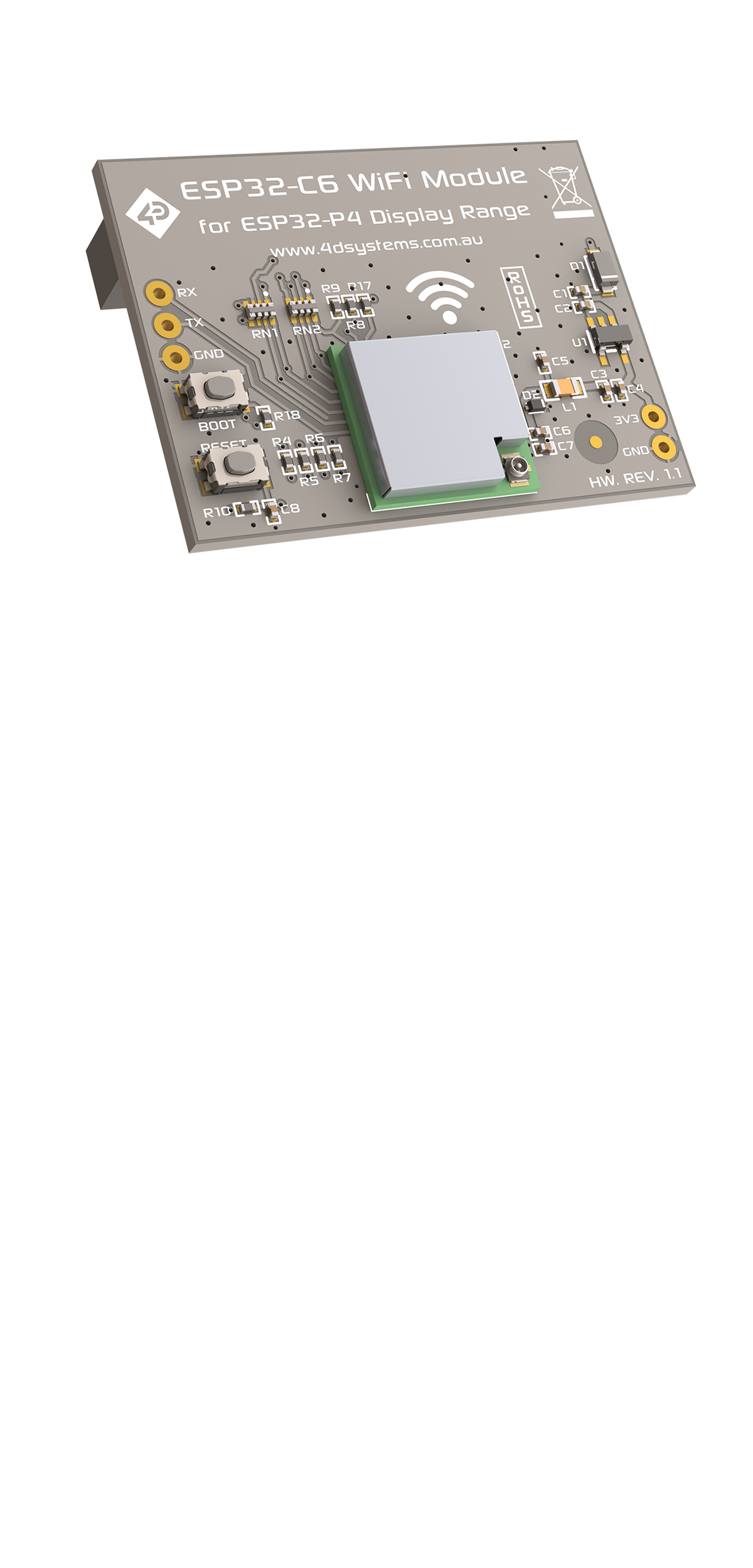
The ESP32-P4-C6-WiFi is an ESP32-C6 WiFi add-on module for the 4D Systems ESP32-P4 display range, and is designed and manufactured by 4D Systems.
This WiFi add-on module is designed specifically to directly plug on the back of the ESP32-P4 and ESP32-P4-Round series of display modules from 4D Systems, providing WiFi and BT connectivity to the ESP32-P4 SoC.
ESP32-C6 WiFi Module
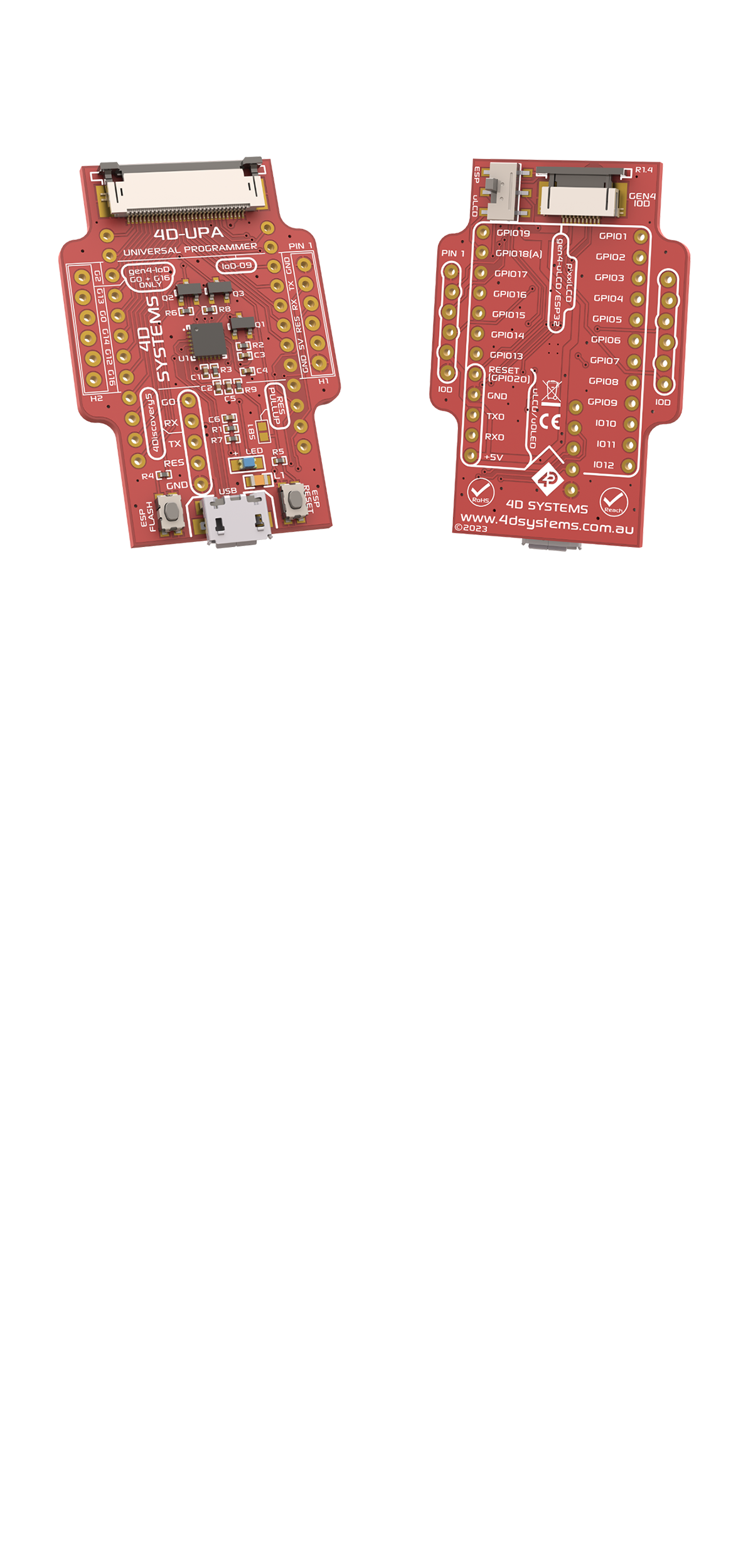
The 4D-UPA (Universal Programmer Adaptor) provides a reliable interface for programming, updating, and configuring 4D Systems display modules and processors.
Featuring a 30-way, 0.5mm pitch FPC connector, it ensures high-speed, stable communication with Workshop4 IDE, making it ideal for development, prototyping, and volume production environments.
4D-UPA
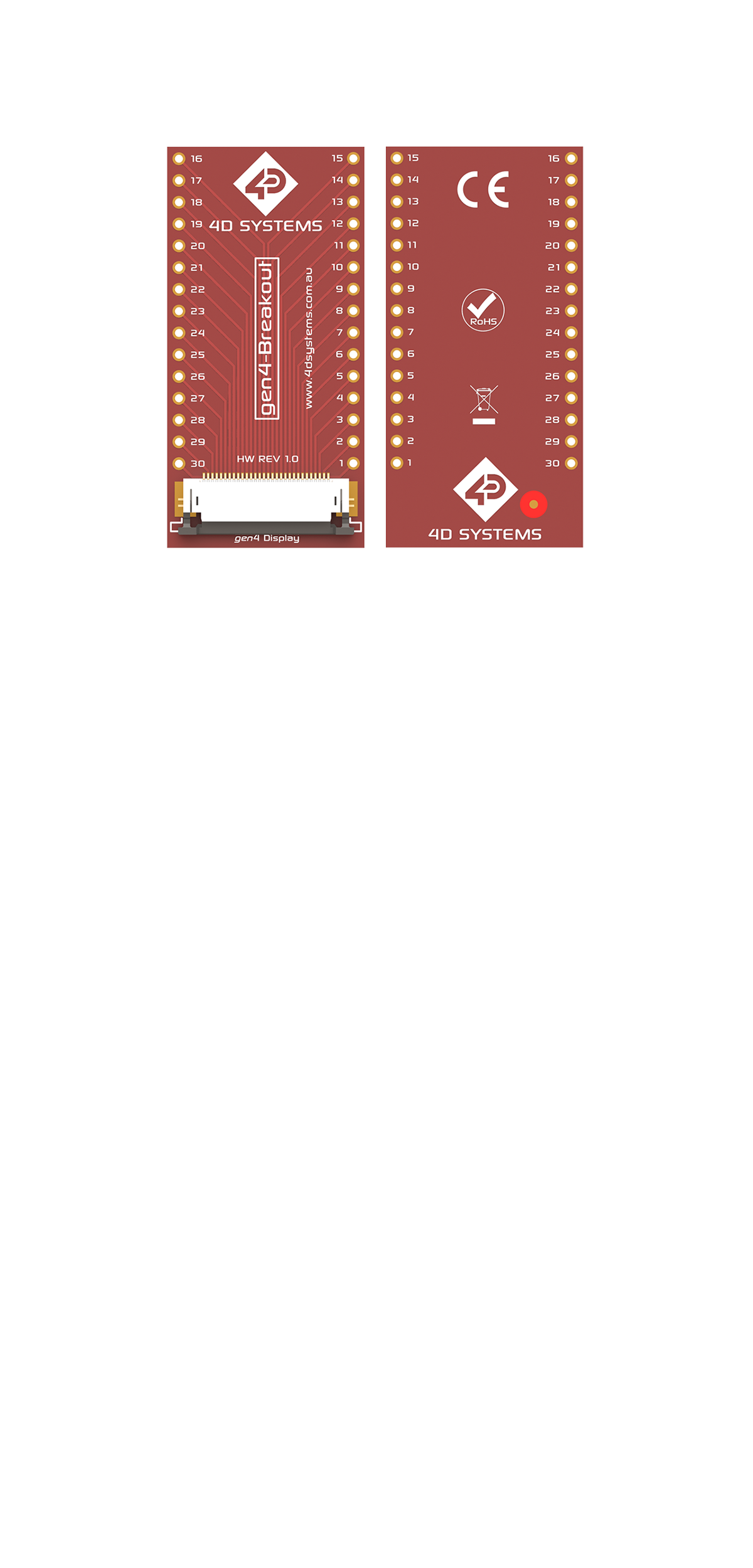
The gen4-Breakout Board offers direct access to all 30 signals from 4D gen4 and pixxiLCD modules via convenient through-hole pads.
Featuring a 30-way top-contact FFC connector, it simplifies development, prototyping, and integration by eliminating conflicts with USB interfaces. Compatible with all 30-way FFC modules, it enables flexible, breadboard-friendly connections without requiring direct management of the FPC.
gen4-Breakout
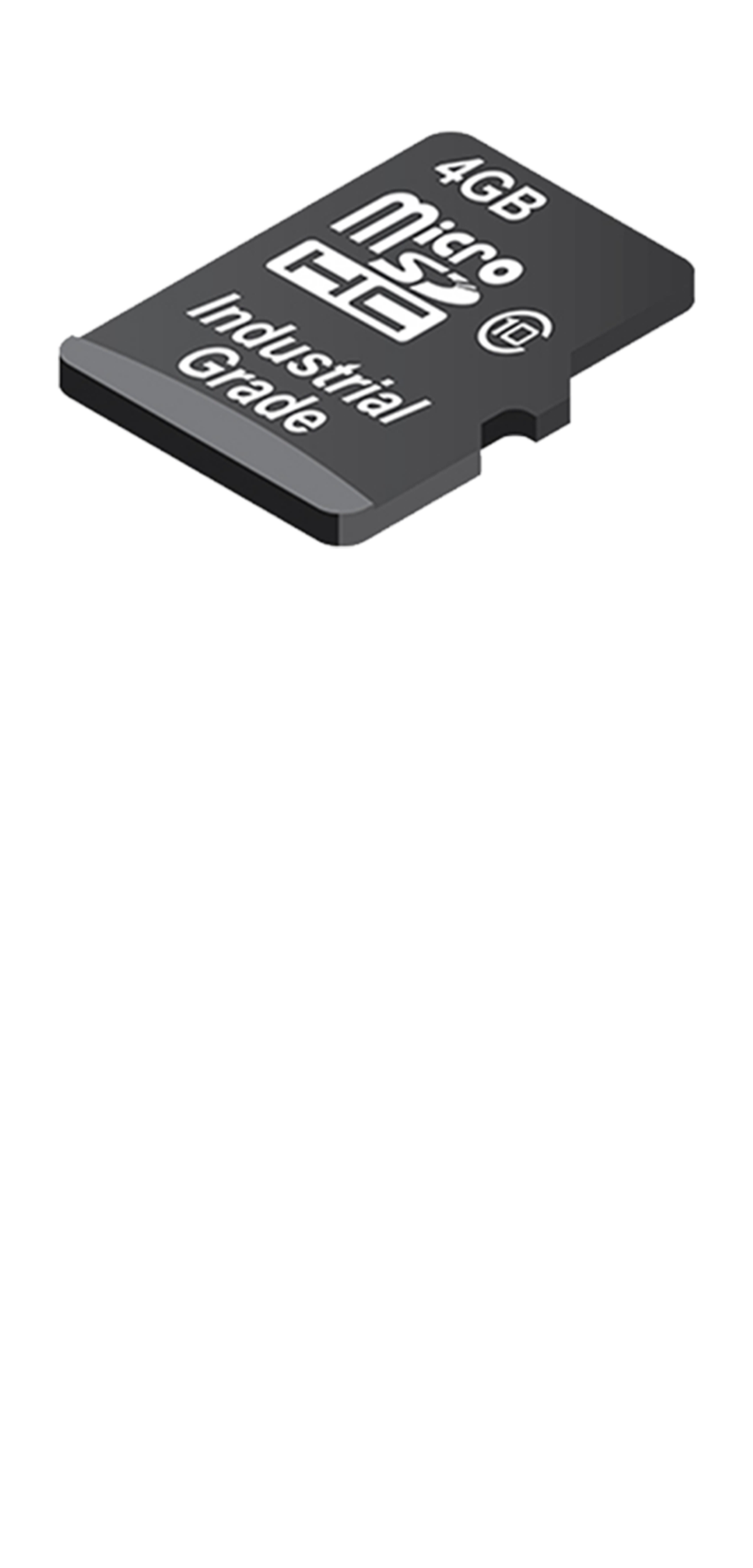
Designed for critical embedded environments, this 4GB Industrial Grade micro SD Card offers exceptional reliability, advanced firmware protection, and SPI compatibility. Ideal for 4D Systems' intelligent displays, it prevents Read Disturb errors and ensures data integrity under high read/write demands.
With industrial temperature tolerance and Phison-certified performance, it’s the recommended storage solution for graphics, logging, and robust applications.
uSD-4GB-Industrial

30-pin Flexible Flat Cable (FFC) with 0.5mm pitch (opposite way), available in length variable from 22mm to 200mm.Compatible with a standard 30-pin, 0.5mm pitch, 0.3mm thick FFC connector.
This cable on one end has contacts on the top of the cable, and the other end has contacts at the bottom of the cable.The 4D-FFC- cables are ideal for connecting all the 4D Systems displays to any host board.
Flexible Flat Cables


Frequently Asked Questions
Find quick answers about our display modules, embedded integration, customization capabilities, and system compatibility.

How do I choose the right display module for my project?
Start by identifying the demands of your product environment: required screen size, touch capability, operating conditions and UI complexity. Our consistent form-factor families allow you to select a module that fits your constraints today and upgrade performance later without redesigning your enclosure or PCB. Our documentation hub provides comparison tables to assist selection.
What is the difference between a smart display and a host-driven display?
Smart displays include an onboard processor that handles graphics, widgets, UI logic and drawing commands internally. This reduces load on your host MCU, simplifies code and often shortens development time dramatically. Host-driven modules require the host MCU to manage everything, which may be appropriate for minimal UIs but introduces more integration work.
Can I upgrade processors without changing my enclosure or PCB?
Yes. Our architecture is deliberately designed around footprint consistency. Most display families maintain identical mechanical and electrical footprints across multiple processor types, enabling generation-to-generation performance improvements without mechanical redesign.
Do you offer non-touch and touch options?
Yes. Many display families provide variants for non-touch, resistive-touch and capacitive-touch configurations. Capacitive-touch variants are recommended for modern, responsive UI experiences.