


Innovative Display Solutions
Explore 4D Systems’ comprehensive range of intelligent displays, processors, and development tools—engineered to accelerate your product development and streamline integration. From compact OLED modules to advanced LCD solutions with integrated GPUs, our products are built for performance, reliability, and ease of use across industrial, commercial, and consumer applications.


gen4 Intelligent Displays

Intelligent Display Modules powered by 4D Systems DIABLO and PICASO processors
gen4-uLCD Series

IoT Intelligent Display Modules powered by Espressif ESP32-S3 processor.
gen4-ESP32 Series
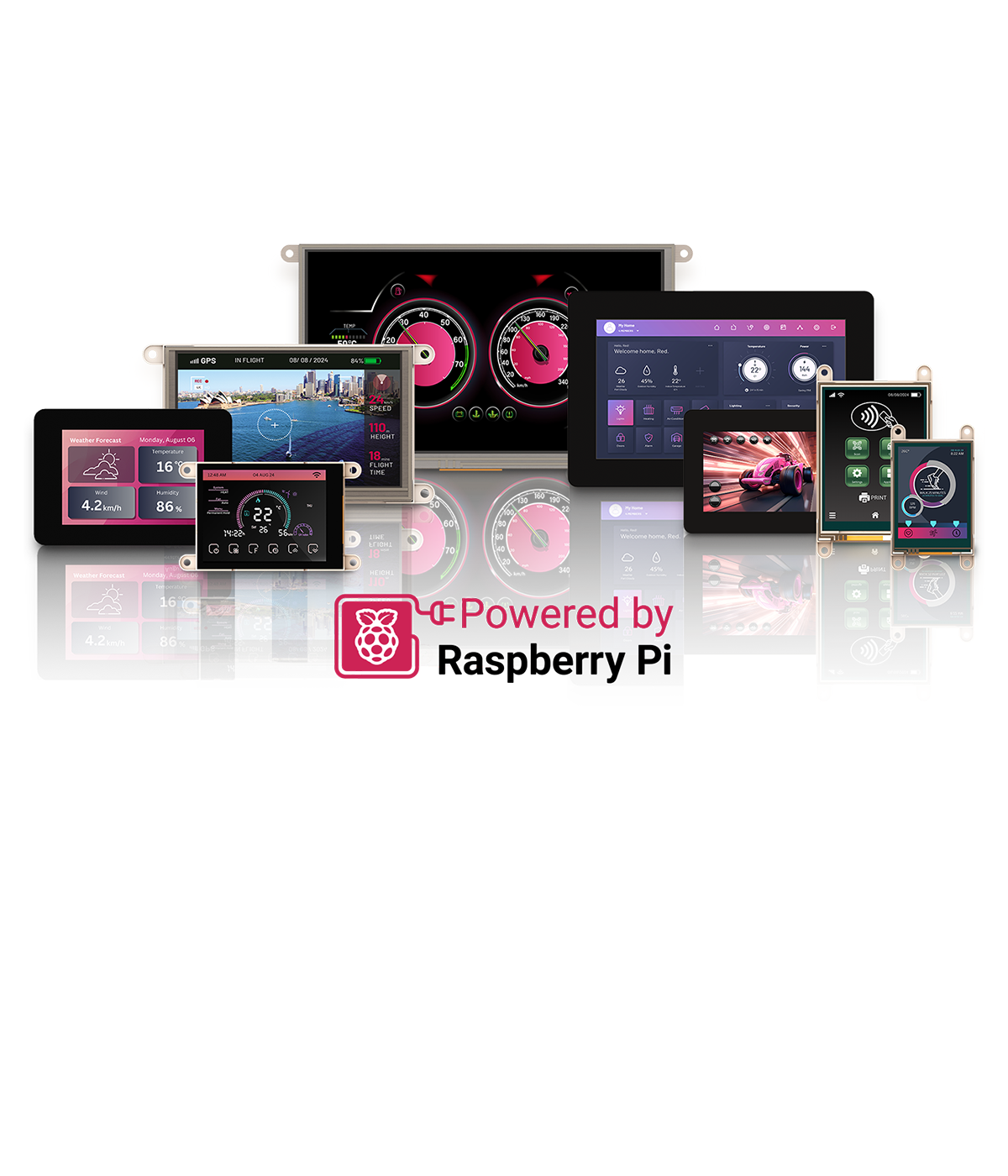
Intelligent Display Modules powered by the Raspberry Pi RP2350 processor.
gen4-RP2350 Series

Intelligent Display Modules powered by Bridgetek FT81x processor.
gen4-FT81x Series

Intelligent Display Modules powered by Espressif ESP32-P4 processor.
ESP32-P4 Series

PMOLED Intelligent Display Modules powered by 4D Systems PIXXI processor.
microOLED Series

Intelligent Display Modules powered by 4D Systems PICASO and DIABLO16 processors.
microLCD Series
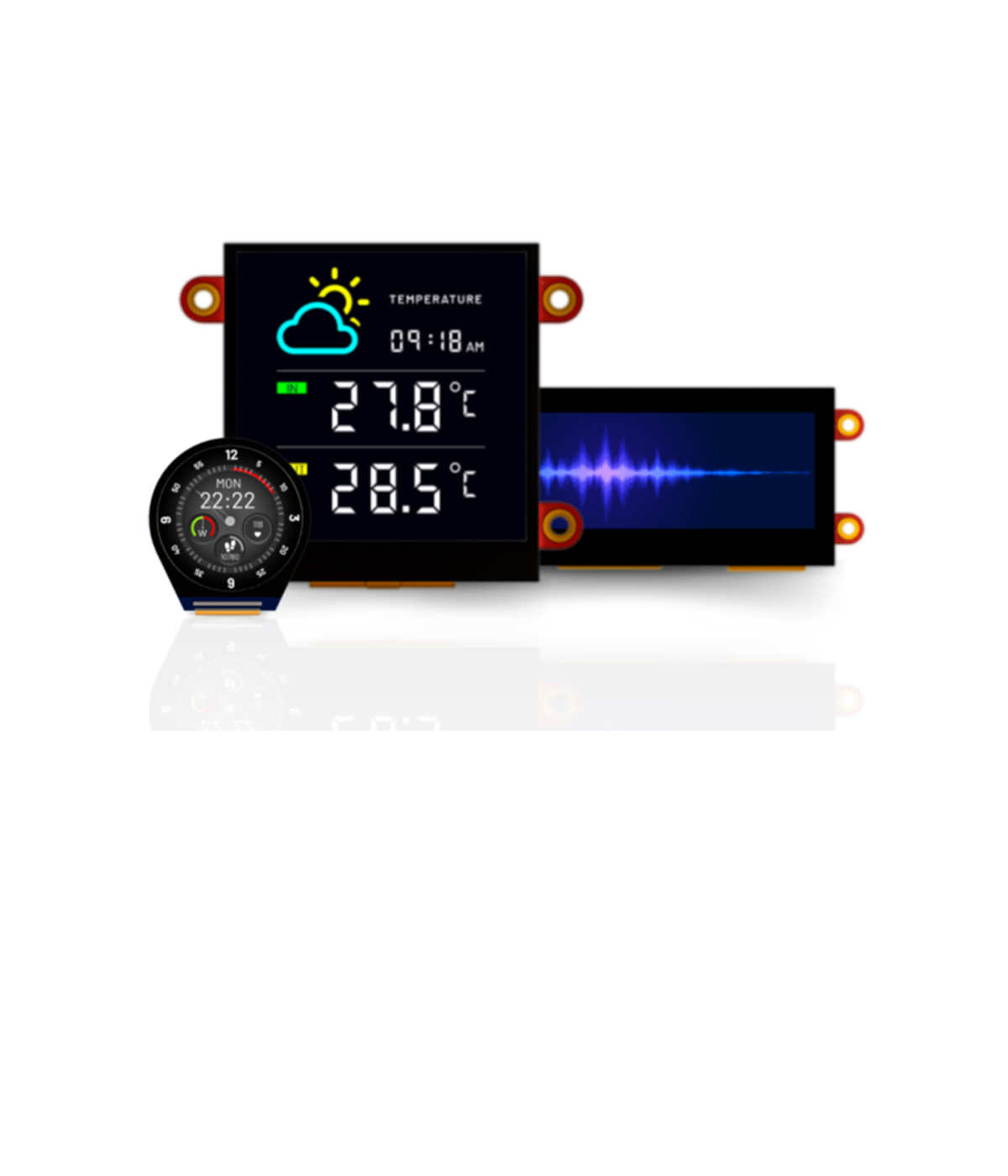
Intelligent Display Modules powered by 4D Systems PIXXI processor.
pixxiLCD Series
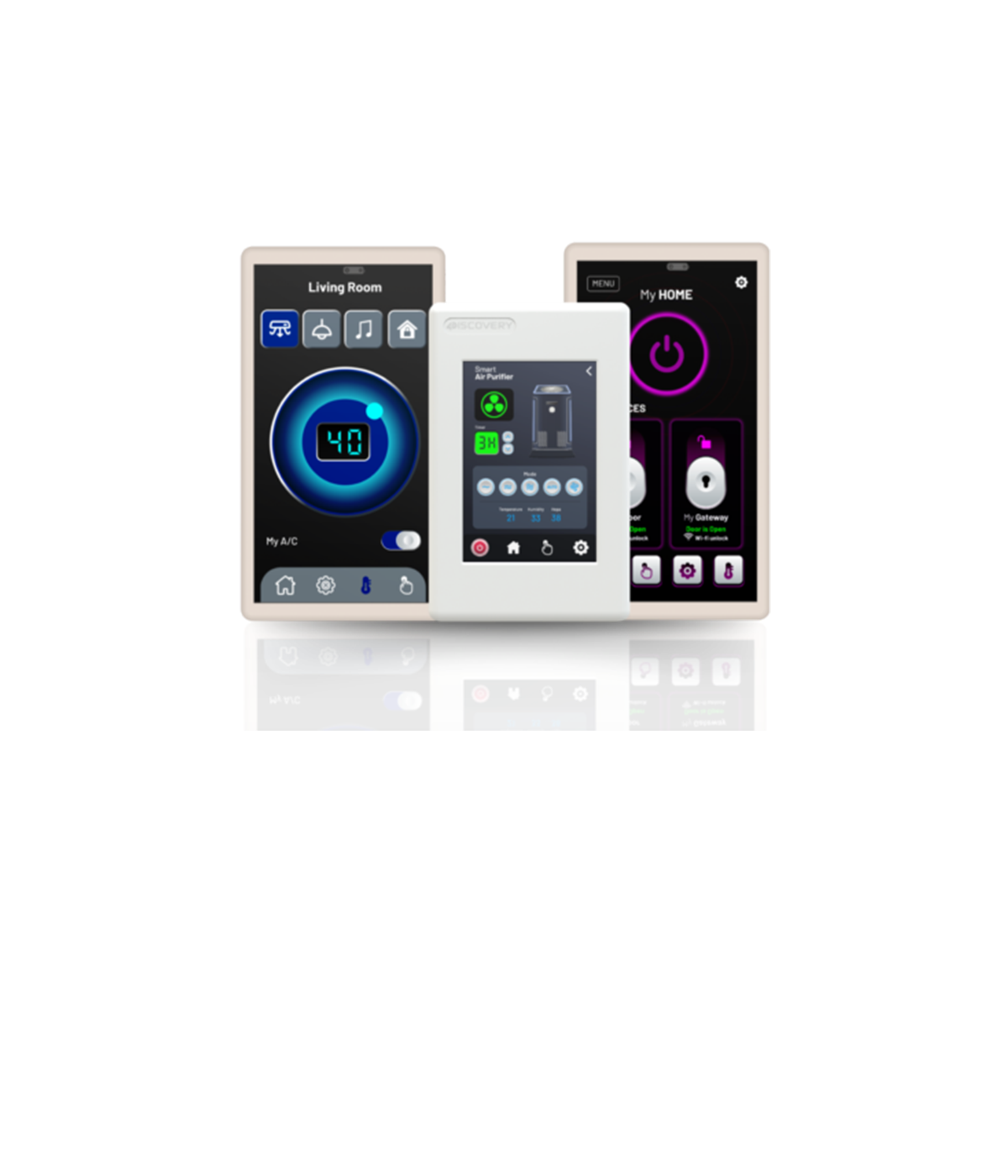
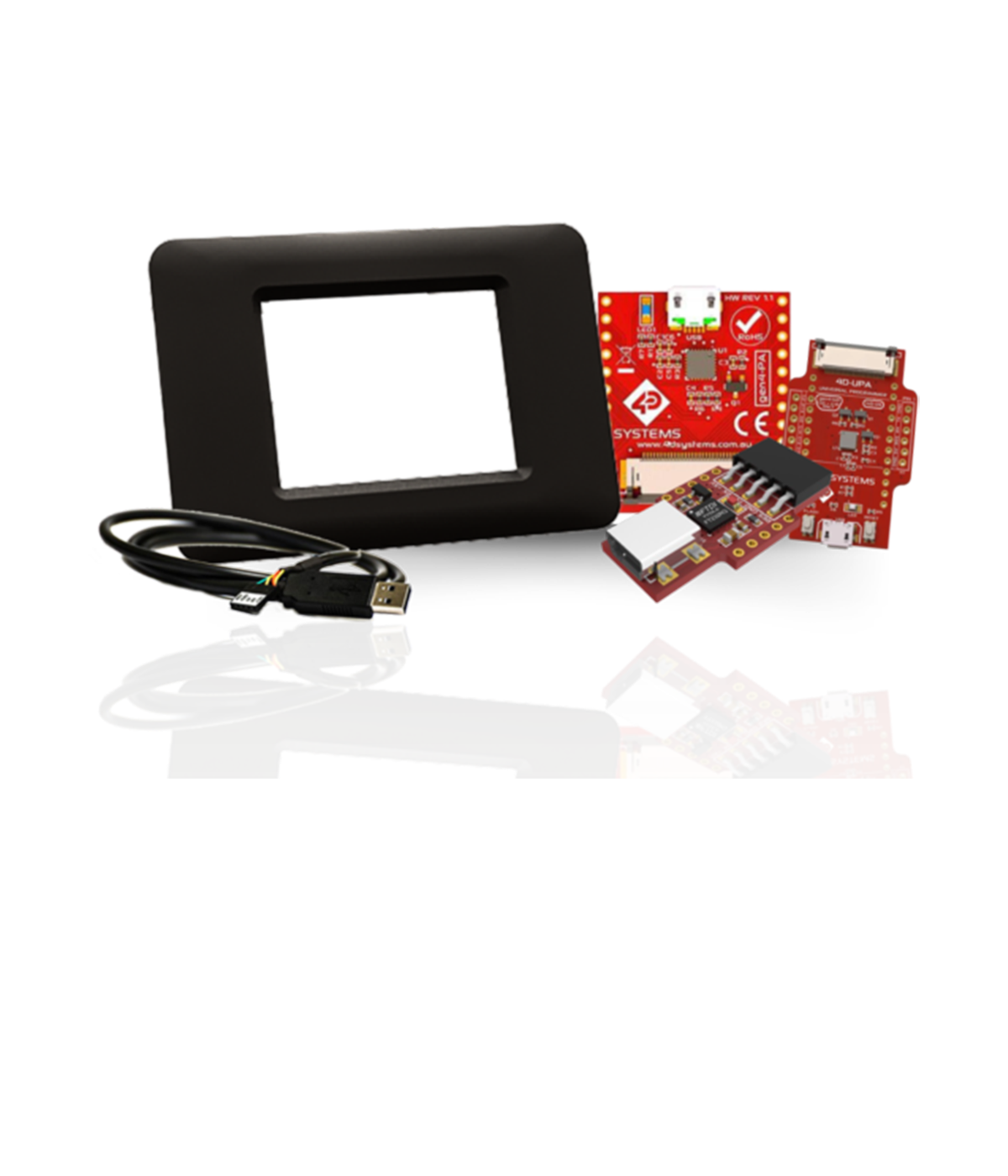
Wall-mount IoT Intelligent Display Modules powered by 4D Systems DIABLO16 processor.
4Discovery Series
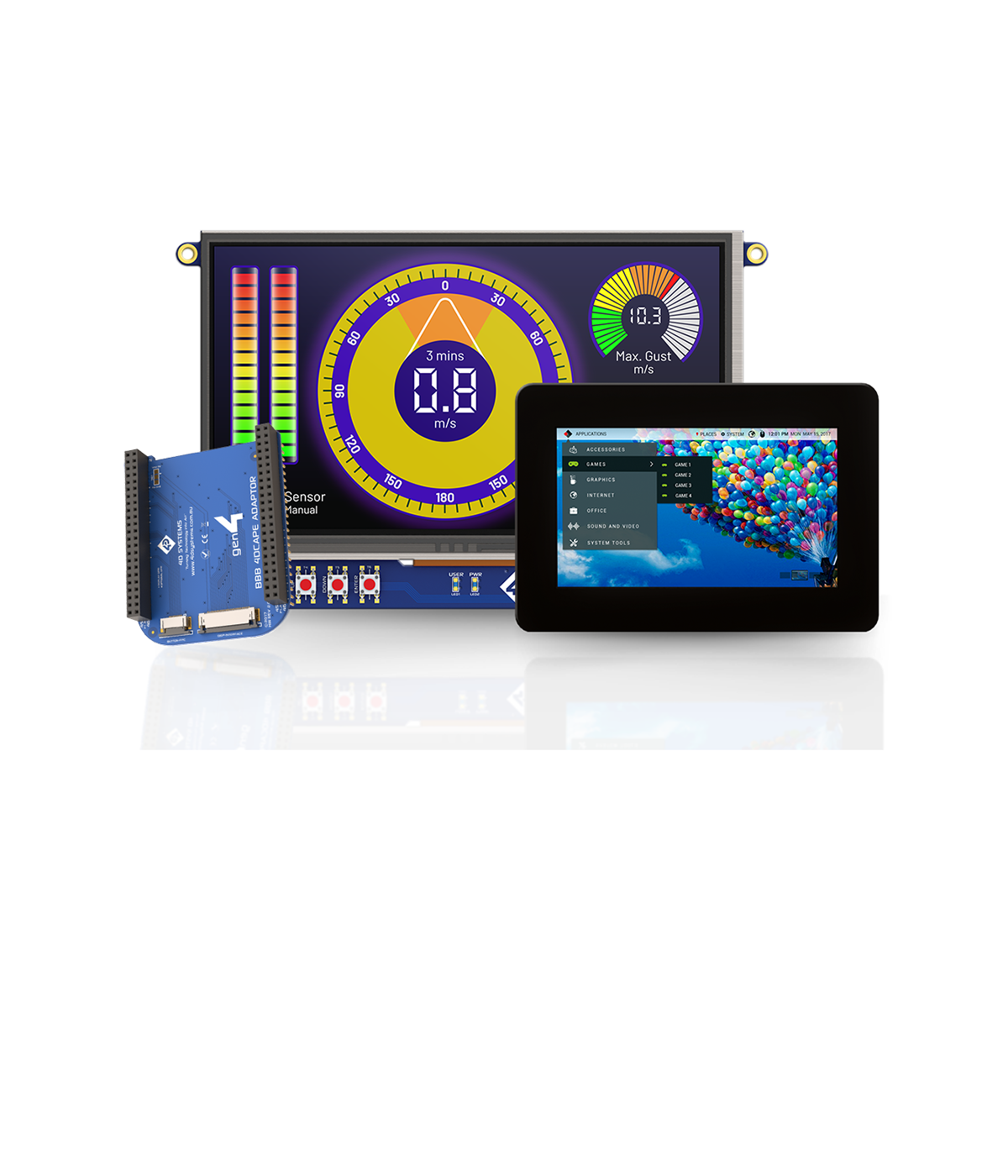
HDMI & SBC Displays





Contact Us
Question? Get in Touch
If you have questions about our products, want to discuss exciting projects, or explore display experiences, we would love to hear from you.
Please note: this form is specifically for general enquiries only. We recommend using our dedicated support centre, accessing our knowledge base, and opening a support ticket for a fast and efficient response if you require technical support.
Frequently Asked Questions
Find quick answers about our display modules, embedded integration, customization capabilities, and system compatibility.

How do I choose the right display module for my project?
Start by identifying the demands of your product environment: required screen size, touch capability, operating conditions and UI complexity. Our consistent form-factor families allow you to select a module that fits your constraints today and upgrade performance later without redesigning your enclosure or PCB. Our documentation hub provides comparison tables to assist selection.
What is the difference between a smart display and a host-driven display?
Smart displays include an onboard processor that handles graphics, widgets, UI logic and drawing commands internally. This reduces load on your host MCU, simplifies code and often shortens development time dramatically. Host-driven modules require the host MCU to manage everything, which may be appropriate for minimal UIs but introduces more integration work.
Can I upgrade processors without changing my enclosure or PCB?
Yes. Our architecture is deliberately designed around footprint consistency. Most display families maintain identical mechanical and electrical footprints across multiple processor types, enabling generation-to-generation performance improvements without mechanical redesign.
Do you offer non-touch and touch options?
Yes. Many display families provide variants for non-touch, resistive-touch and capacitive-touch configurations. Capacitive-touch variants are recommended for modern, responsive UI experiences.
INDUSTRIES WE SERVE
Across all industries, engineers want clarity, stability, and intelligent embedded design.
We design solutions that align with how engineering teams work. Our approach reduces redesigns, supports multiple processors with the same form factor, and integrates cleanly with existing hardware.


